


The Price of Belief: How a Young Radiology University Student from Babylon Lost His Freedom
- Jamal Al-Nahedhi
- Apr 15
- 4 min read
Freedom of speech and freedom of religion are often spoken of as basic human rights. Yet in many parts of the world, expressing one’s beliefs can still come with serious consequences. Behind the headlines and legal terms are real people whose lives change dramatically because of a personal choice.
This is the story of one young man—and a reminder of how fragile freedom can be.
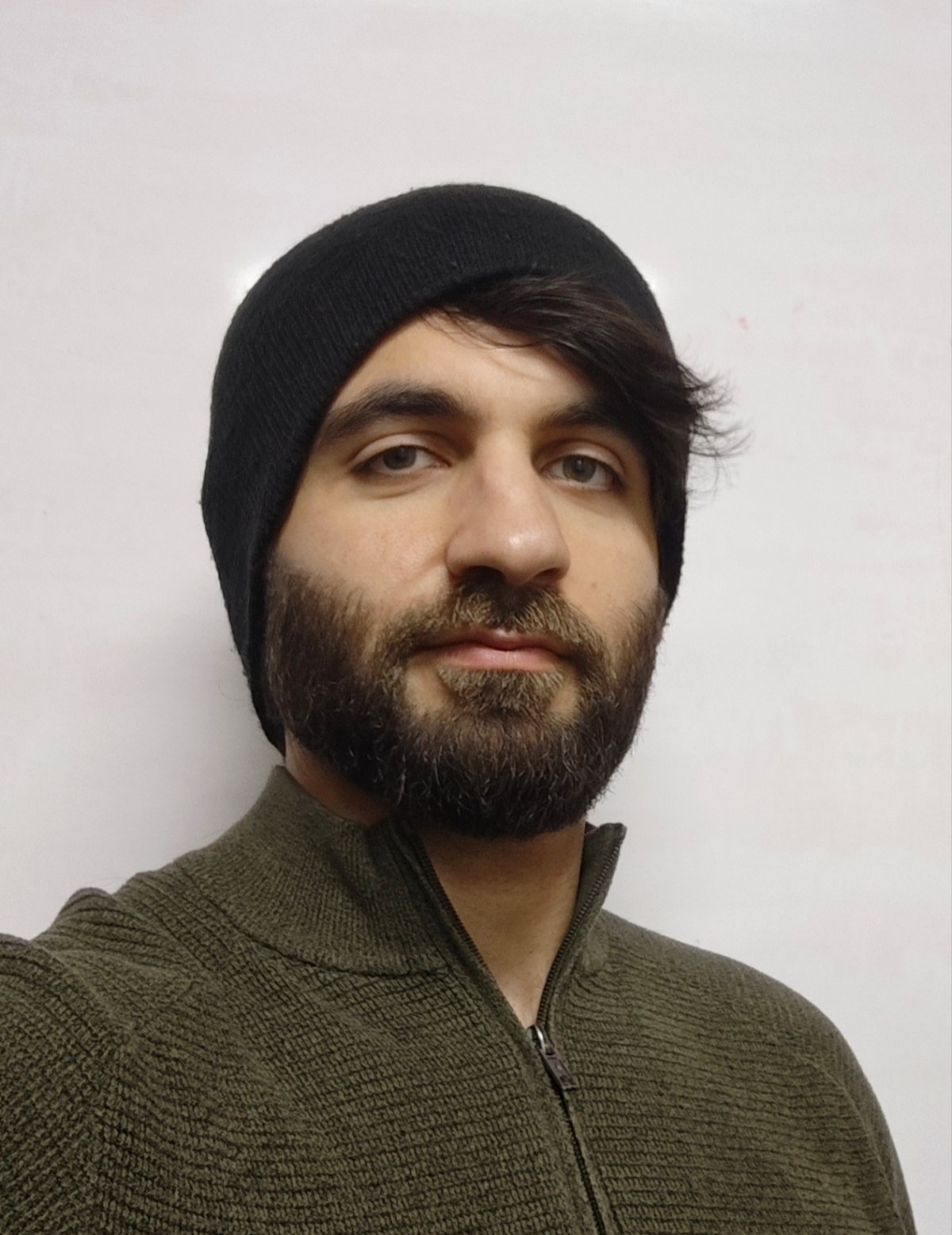
At just 25 years old, Mursal Khalfa stood at the threshold of a promising life. He is currently enrolled at the University of Babylon in the country of Iraq and is in his last year of study, specializing in Radiology and Ultrasound — fields dedicated to healing and saving lives. Friends and family expected him to build a stable career, perhaps start a family, and contribute to society.

But his life took a different path when he made a deeply personal decision: he chose a new faith.
Raised in a Shia Muslim background, Mursal embraced in March 2025 the Ahmadi Religion of Peace and Light, a minority religious movement that has drawn followers from various countries. Like many believers who joined this faith, he did not take up arms, organize protests, or incite violence. He simply shared his beliefs peacefully on his personal social media accounts. But what followed was not peaceful dialogue. What followed was punishment.
After publicly expressing his faith, he reportedly faced hostility from people closest to him—family members, neighbors, and members of his social circle. Accusations followed: adopting a new religion, promoting it online, and insulting religious figures.
Soon, the situation escalated beyond social pressure.
An unknown individual filed a complaint to national security authorities. According to accounts of the incident, his home was raided without a warrant. He was arrested, detained, and ultimately sentenced to one year in prison for expressing his religious beliefs. Before delivering the final verdict, the judge gave Mursal the opportunity to end the case if he renounced his faith. Mursal refused on three separate occasions.
Reports submitted to United Nations bodies describe cases of arbitrary arrests, threats, and attacks against adherents of this movement and other minority groups in several countries.
International law is clear on this matter. Article 18 of the International Covenant on Civil and Political Rights guarantees the right to freedom of thought, conscience, and religion—including the right to express beliefs publicly or privately. Yet the reality on the ground often tells a different story.
In recent assessments, Iraq has received low ratings for religious freedom, highlighting ongoing challenges for minority communities. According to the report of the Special Rapporteur on minority issues to the UN General Assembly since 2002, the Iraqi authorities have carried out a sustained crackdown against members of the Ahmadi Religion of Peace and Light due to their public criticism of the government-supported Shia religious establishment in Iraq. Consequently, the founder of the faith, Imam Ahmed Al-Hassan, along with his followers, has faced severe persecution. Shia militias and representatives of the religious establishment declared the movement to be heretical and publicly called for the killing of Imam Ahmed Al-Hassan.
Approximately 40 Iraqi members of the faith have fled the country since 2022, while an estimated 157 adherents remain in Iraq. During the period from 2023 to 2024 alone, followers of the faith reported 10 incidents of militia attacks, 6 cases of imprisonment, and 4 instances of police interrogation. Furthermore, 15 members reported receiving death threats from government-backed militias. In addition, there were 2 reported cases of armed kidnapping, during which members of the faith were forced to negotiate for their safety and were only released after pledging to renounce their beliefs and refrain from speaking about their faith in the future.
Across the world, individuals belonging to new or minority religious movements have reported arrests, social exclusion, and violence because their beliefs differ from mainstream traditions. In some cases, they have been forced to worship in secret or flee their homes entirely.
This tension between principle and practice reveals a fundamental truth about humanity:
Rights written on paper do not always protect people in real life.
Stories like Mursal’s force us to confront uncomfortable questions.
What does freedom mean if it exists only for the majority?
What does justice mean if it disappears when beliefs change?
What does humanity mean if compassion stops at the boundaries of religion?
According to the aforementioned report, in recent years numerous believers have endured persecution, harassment, and social condemnation from family members and the wider community. They have also been subjected to armed militia attacks on their homes, interventions by police forces, and imprisonment solely for exercising their right to practice their faith peacefully. Followers of the Ahmadi Religion of Peace and Light in Iraq live under a constant climate of fear, as their fundamental right to freedom of religion is undermined by Article 372 of the Iraqi Penal Code No. 111. This provision criminalizes the public expression of opinions considered to “insult” religious symbols, figures, or beliefs regarded as sacred. The law carries serious penalties, including imprisonment for up to three years or the imposition of financial fines. In practice, Article 372 has often been enforced in a selective and discriminatory manner, particularly against individuals whose beliefs differ from officially recognized religious interpretations, and has been used to restrict religious minorities and suppress peaceful expressions of faith.
The story of Mursal reflects a broader reality documented by international observers: members of minority religions in some regions face harassment, imprisonment, and violence simply for practicing their faith. The case of Mursal is not isolated. It exists within a larger global struggle over religious freedom and human dignity. How long will this kind of inhumane condition continue in our modern time?


هذا فظيع؟ كيف يمكن سجن شخص بريء لمدة عام فقط لأنه يؤمن بدين آخر هل هذا طبيعي بنظركم يا أهل العراق؟! هل ترون ان حكومتكم عادلة؟
اين العدالة؟ أين حرية المعتقد؟ أين حرية الأنسان؟ أطالب بالإفراج عنه فوراً!!
لا يجب أن يُسجن أو يُعتقل أي شخص من دون سبب منطقي.
سجن شخص بريء لمدة عام لمجرد أنه يعتنق دينًا آخر يُعد انتهاكًا صارخًا لحقوق الإنسان وحرية المعتقد. ما يحدث أمر غير مقبول ولا يمكن السكوت عنه.
أين العدالة التي تدّعونها؟ وأين القوانين التي تحمي الإنسان وكرامته؟!
نطالب بالإفراج عنه فوراً!! ، ووضع حدّ لهذه الممارسات الظالمة!
The place where supporters and members of Erbol were most torturedThe place where supporters and members of Erbol were tortured the most is Iraq 😡 The place where supporters and members of Erbol were tortured the most is Iraq 😡 This is DThe place where supporters and members of Erbol were tortured the most is Iraq 😡 This is their so-called democracy
Faith is not a crime
Freedom of religious beliefs is a fundamental rights. The clerics, the nonworking scholarsare being exposed for their hypocrisy, they claim to be following Islam but is far from it. They continue to fight against the truth and fight against the true religion of God. #FreeAROPLMembers